

There are characters who appear time and again in television and literature. You know who they are and can pretty much sum up their roles in a single sentence.
These people are called stock characters. They represent a certain type of person that is readily recognizable and easily understood. As such, many stock characters are one-dimensional and rarely progress. That doesn’t mean they’re bad, but just predictable.
Popular Stock Characters
You’ll see them in many shapes and forms, but they’re ultimately the same. Here are some of the most popular stock characters you’ll read about or watch on screen.
1. Absent-minded Professor

These characters are very intelligent but are also pretty weird. Their eccentric behavior stems from their absolute devotion to work, which always interferes with other aspects of their life.
They forget anything that’s outside of work, including names, dates, eating, sleeping, and even grooming themselves. This is why they always appear disheveled and slightly crazed. They’re pretty much the good version of the mad scientist.
Examples:
- Doc Emmett Brown from Back to the Future
- Some incarnations of The Doctor from Doctor Who
- Belle’s father Maurice from Beauty and the Beast
2. Antihero
Heroes who lack the standard qualities of a hero such as courage and a sense of justice. They’re misanthropic, selfish, violent, and materialistic. But sometimes they show their humanity, especially in situations where it matters.
Examples:
- The Man with no Name in the Dollars Trilogy
- Deadpool from Deadpool
- Dexter Morgan from Dexter
3. Bad Boy
A handsome and macho loner who doesn’t care about being bad. They habitually engage in immoral conduct such as womanizing, gambling, drinking, and sometimes petty crime.
Examples:
- Tony Stark from Iron Man
- Gregory House from House
- Dallas Winston from The Outsiders
4. Battle-Axe
A battle-axe is usually an older woman who is domineering, aggressive, and forceful. They get their kicks from having a degree of power over others. This often manifests in them taking control of another person’s choice purely because of what they want.
Example:
- Nurse Ratched from One Flew Over the Cuckoo’s Nest
- Rasputia Latimore from Norbit
- Annie Wilkes in Misery
5. Black Knight
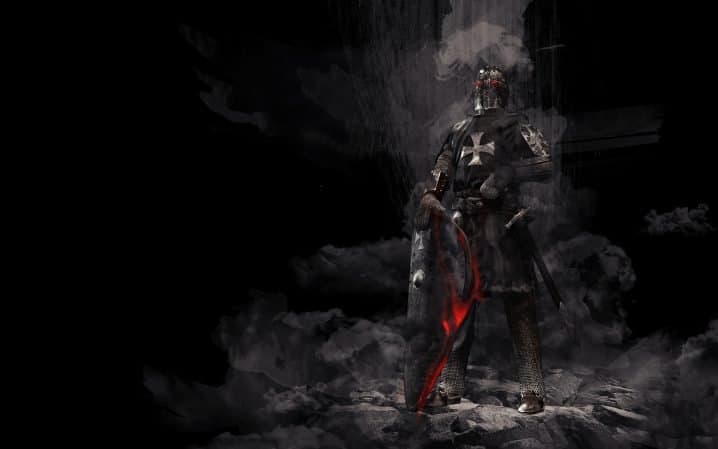
This character is the opposite of the knight in shining armor. They’re villainous figures who are never seen without their armor. They almost always appear wearing black, hence their name.
Example:
- The Black Knight from Monty Python and the Holy Grail
- Darth Vader from Star Wars
- Sauron from Lord of the Rings
6. Blind Seer
They are blind and yet capable of seeing more than we can. Most of them sacrifice their eyes to gain power, insight, or knowledge, which they use to sense the events happening around them. Often, their other senses become more acute as a result of losing their sight.
Example:
- Tiresias from Greek Mythology
- Neo in The Matrix Revolutions
- Seer in Messenger
7. Boy or Girl Next Door
This character is so named because they are usually childhood friends with the protagonist and live just next door. They’re wholesome, unassuming, likable, and reasonably good-looking. Their friendship with the protagonist slowly turns into romantic attraction as they grow older.
Example:
- Julie from Flipped
- Pam from The Office
- Marty McFly from Back to the Future
8. Bully
The Bully is someone who delights in tormenting the protagonist. They target everyone who isn’t as popular as they are, or someone who’s weaker and won’t fight back. These characters are mostly found in stories concerning youths.
Example:
- Dudley Dursley in the first half of Harry Potter
- Reese in the early seasons of Malcolm in the Middle
- Alvin from Paranorman
9. Christ Figure
The christ figure is someone who has one or more similarities to the biblical Jesus Christ. They’re most often portrayed as martyrs who sacrifice themselves for a greater cause.
Example:
- Aslan from The Chronicles of Narnia
- Gandalf from Lord of the Rings
- Klaatu from The Day the Earth Stood Still
10. Crone

The crone is a withered old woman who is wicked and cruel. They’re almost always portrayed as witches, having magical abilities that can either assist or obstruct the protagonist.
Example:
- Baba Yaga from Slavic folklore
- The Wicked Witch of the West from The Wizard of Oz
- Maleficent from Sleeping Beauty
11. Chosen One
Chosen Ones are destined to save the world or fulfill a certain prophecy. They usually possess a certain skill or power that separates them from others.
Example:
- Anakin Skywalker from Star Wars
- The White Rose from The Black Company
- Rand al’Thor from The Wheel of Time
12. Damsel in Distress
This is a young, noble, and beautiful lady who is always in the need of rescue. Traditionally, they’re kidnapped and imprisoned by dragons, though modern stories have them being rescued from a variety of evildoers.
Example:
- Princess Peach from Super Mario
- Wendy Darling in Peter Pan
- Buttercup in The Princess Bride
13. Dark Lord
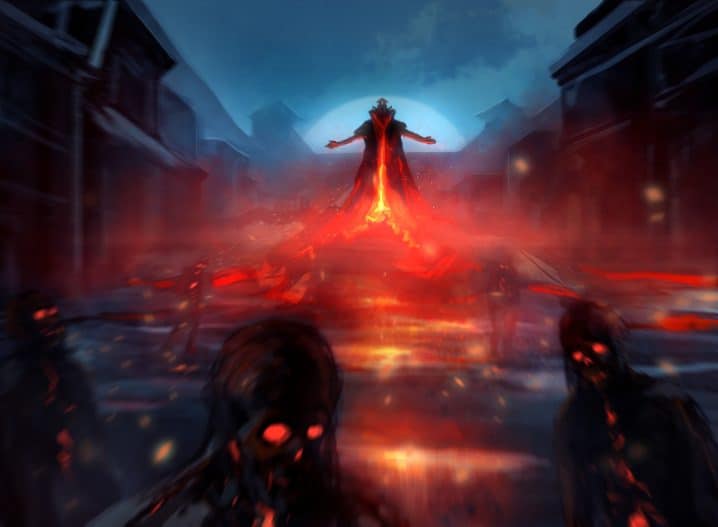
These characters are the biggest baddies in their stories. They are power-hungry. and nearly unbeatable. Most of the time, they represent Evil itself.
Example:
- Morgoth from The Silmarillion
- Lord Foul from The Chronicles of Thomas Covenant
- Galbatorix from The Inheritance Cycle
14. Everyman
Ordinary and humble, the everyman character is a protagonist whom the audience easily identifies with.
Example:
- Arthur Dent from The Hitchhiker’s Guide to the Galaxy
- Most of the Doctor’s companions from Doctor Who
- Joe Bauers from Idiocracy
15. Elderly Martial Arts Master
Despite being of advanced age, the elderly martial arts master still moves like a youngster and is a near-invincible fighter. Typically Asian, they serve as mentors to the protagonist, teaching them the secrets of martial arts.
Example:
- Mr. Miyagi from The Karate Kid
- Pai Mei in Kill Bill: Volume 2
- Master Shifu in Kung Fu Panda
16. Fall Guy
Fall Guys function for one thing: taking the blame for a crime. Most of them are unaware of their status as scapegoats, believing that the people they teamed up with are trustworthy.
Example:
- Wilmer Cook from The Maltese Falcon
- Jimmy In-‘N-Out from Breaking Bad
- Sentinel in Renegades
17. Femme Fatale

The femme fatale is a beautiful and alluring woman who is also cunning and deceptive. They regularly manipulate men into doing their bidding, which often ends badly for the men.
Example:
- Catherine Tramell from Basic Instinct
- Lara Raith from The Dresden Files
- Milady de Winter from The Three Musketeers
18. Final Girl
This character is the last woman alive to fight the villain and usually the one who lives to tell the story. They mostly appear in horror stories, specifically slasher films.
Example:
- Laurie Strode from Halloween
- Sally Hardesty in The Texas Chainsaw Massacre
- Ellen Ripley in Alien
19. Fop
The Fop is a man who is obsessed with his personal appearance. He always dresses immaculately, puts on airs, regularly fails at wit, and can’t bear to be upstaged by another. He is somewhat effeminate but constantly attracts the opposite sex.
Example:
- Patrick Bateman in American Psycho
- George the Prince Regent from Blackadder the Third
- Early versions of Bruce Wayne from Batman
20. Geek

A geek is an eccentric character who is an expert in a hobby that they pursue out of genuine interest. Many of them are portrayed as intelligent and socially awkward.
Example:
- Sheldon Cooper from The Big Bag Theory
- Hiro Nakamura from Heroes
- Chuck Bartowski from Chuck
21. Goons
Goons are the disposable bad guys who serve a Big Bad. They’re loyal, sometimes deadly, and most importantly, abundant. They’re known by many names including foot soldiers, mooks, pawns, small fries, minions, underlings, and henchmen
Example:
- Goblins and Orcs in Lord of the Rings
- The Storm Troopers in Star Wars
- Ma-Ma’s thugs in Dredd
22. Hooker with a Heart of Gold
These characters are courtesans or prostitutes who have a hidden kindness or decency. In many stories, they act as surprising sources of knowledge or serve as discreet go-betweens. They’re an example of irony: allegedly immoral women displaying morality absent from characters whom you would expect to be moral.
Example:
- Nancy from Oliver Twist
- Fantine from Les Miserables
- Sonya Marmeladova from Crime and Punishment
23. Hotshot
A hotshot is a character known for acting recklessly, taking risks, and experiencing pain more than any other character in the story. They’re boastful, aggressive, and often argue with the groups they’re part of.
Example:
- Jack Reacher from Jack Reacher
- Agent J from Men In Black
- Maverick from Top Gun
24. Ingenue
The ingenue is a young woman who is endearingly innocent. She is beautiful, optimistic, kind, gentle, virginal, and often naive. Because of their idealistic nature, they’re often the targets of villainous characters.
Example:
- Giselle from Enchanted
- Jane Bennet from Pride and Prejudice
- Annie Edison in Community
25. Knight-Errant
A knight-errant wanders around the land in search of adventures to gain experience and test himself. Sometimes they’re in search of a specific thing or are out to prove their courtly love to a lady.
Example:
- Roland Deschain from The Dark Tower
- Various knights in Arthurian legend
- Hedge knights in A Song of Ice and Fire
26. Lovable Loser

The lovable loser is a likable and well-meaning person who is always experiencing bad luck. Nothing ever happens right for them, no matter how hard they try. And yet, this is what makes them so relatable and sympathetic.
Example:
- Andy Stitzer from The 40-Year-Old Virgin
- Charlie Brown from Peanuts
- Chandler Bing from Friends
27. Legacy Hero
A legacy hero is someone who is related in some way to an existing hero. They inherit or adopt the name and characteristics of the said existing hero after they either die or retire. They most often appear in superhero stories.
Example:
- The Phantom in The Phantom
- Various superheros of DC and Marvel including The Flash, Batman, Spider-man, and Captain America.
- Nite Owl II and Silk Spectre II from The Watchmen
28. Mad Scientist
Mad scientists are either insane or eccentric. They are villainous or at least amoral, rarely hesitating to perform experiments that other scientists would refuse to do. Not all mad scientists are evil, but their loose morality or obsession with science often has negative effects.
Example:
- Victor Frankenstein from Frankenstein
- Doctor Moreau from The Island of Doctor Moreau
- Dr. Heinz Doofenshmirtz from Phineas and Ferb
29. Manic Pixie Dream Girl
This character is the girl of everyone’s dreams, with added personality quirks. They exist solely as motivation for a male character and so have little internal development.
Example:
- Claire Colburn from Elizabethtown
- Kaori Miyazono from Your Lie in April
- Tiffany Maxwell from Silver Linings Playbook
30. Mary Sue
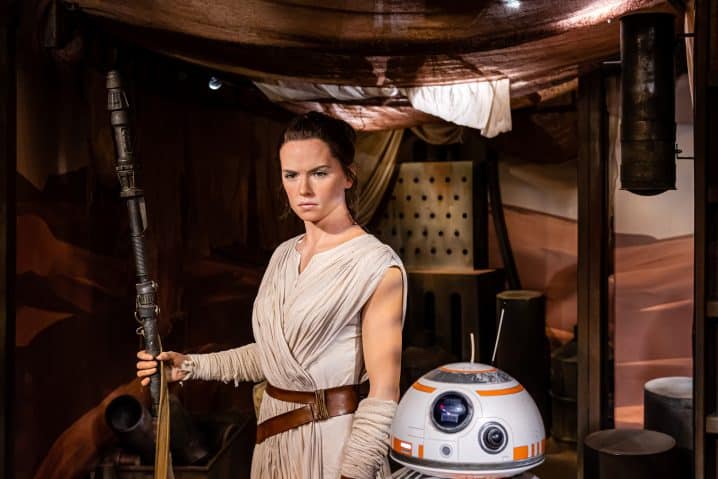
A Mary Sue is a one-dimensional superwoman. She is unrealistically skilled, flawless, beautiful, and free of any weaknesses. Beloved by all and capable in everything, she is often an idealized self-insert of an author. The male counterpart of this is called a Gary Stu.
Example:
- Bella Swan from Twilight
- Rey from Star Wars
- Alice from Resident Evil
31. Mean Popular Girl
Beautiful, wealthy, and charismatic, the mean girl would be perfect if not for her rotten core. People idolize and fantasize about her almost to the degree of a cult. Her personality is tied to her popularity—without it, she quickly crumbles.
Example:
- The Heathers from Heathers
- Regina George from Mean Girls
- Christine Hargensen from Carrie
32. Noble Savage
The noble savage is an indigenous character who is uncorrupted by civilization and thus able to show humanity’s innate goodness.
Example:
- Mowgli from The Jungle Book
- Tarzan from Tarzan of the Apes
- John the Savage from Brave New World
33. Nerd
Nerds are overly studious, introverted, and socially awkward individuals. Like geeks, they can get obsessed with a particular subject or activity. Unlike geeks, nerds are mostly practitioners of their obsessions, rather than mere fans.
Example:
- Steve Urkel from Family Matters
- George McFly from Back to the Future
- Sam from Game of Thrones
34. Outlaw
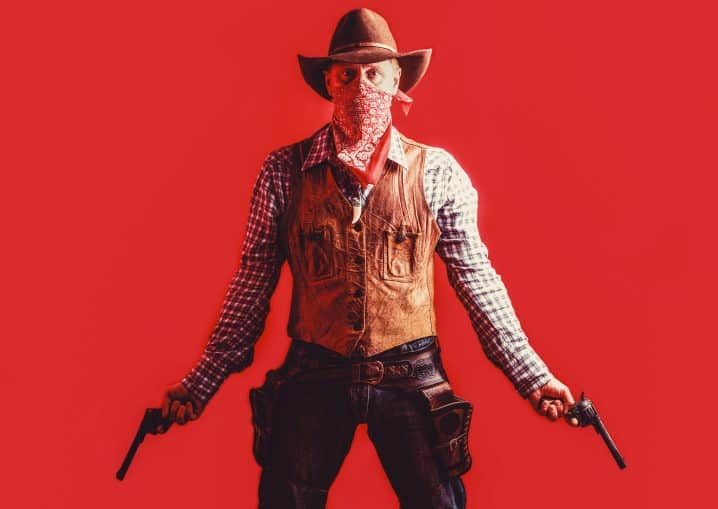
The outlaw is a romanticized criminal who is dashing and charismatic. Despite their frequent lawlessness, many people find them lovable and inspirational.
Example:
- Jon Shannow from Wolf in Shadow
- Robin Hood from English folklore
- Billy the Kid in real life and most adaptations of him
35. Pirate
The pirate is a romanticized version of real-life pirates. They wear tricorn hats, have missing body parts, and sail under the Jolly Roger. Many of them have distinct speech patterns, frequently saying phrases such as “Arr, matey” and “Avast, me hearty.”
Example:
- Captain Hook from Peter Pan
- Long John Silver in Treasure Island
- Sinbad in A Thousand and One Nights
36. Prince Charming
The prince charming is a character who is gallant, brave, dashing, and kind. They’re knights in shining armor who always come to the rescue of damsels in distress.
Example:
- The Princes in almost all of the Disney Animated Canon
- Nate Archibald from Gossip Girl
- Prince Jonathan from The Song of the Lioness
37. Rebel
A rebel is a character who does not follow society’s rules. They go against what everyone else does and thinks, earning themselves a reputation as a troublemaker and loner in the process.
Example:
- John Bender from The Breakfast Club
- Holden Caulfield from The Catcher in the Rye
- James Kirk from Star Trek
38. Redshirt

Redshirts are disposable characters who die soon after being introduced. They’re used to dramatize how dangerous the situation is. The name originates from the original Star Trek where the majority of crew members who die are wearing red. They are different from Goons, as redshirts are usually on the good side.
Example:
- Pretty much any Agent not part of the main cast in Agents of S.H.I.E.L.D
- Sunnydale High’s student body in Buffy the Vampire Slayer
- Other SG teams in Stargate SG-1
39. Reluctant Monster
The reluctant monster is a member of a species that usually does bad stuff, but they’re not just into that kind of thing. Still, ordinary folks don’t know that and end up running away or trying to kill them.
Example:
- Shrek from Shrek
- The Creature from Frankenstein
- Barnabas Collins from Dark Shadows
40. Shrew
The shrew is a character who is unpleasant and ill-tempered. Other characters find them exhausting because they’re prone to nagging and scolding, especially when it comes to men.
Example:
- Katherina from The Taming of the Shrew
- Lois Griffin from Family Guy
- Wilma Flintstone from The Flintstones
41. Storyteller
The storyteller is a character with the talent or occupation of storytelling. Sometimes they act as framing devices, other times their tales are used to give more context to the world.
Example:
- Kubo from Kubo and the Two Strings
- Brom from Eragon
- Chronicler from The Name of the Wind
42. Sidekick
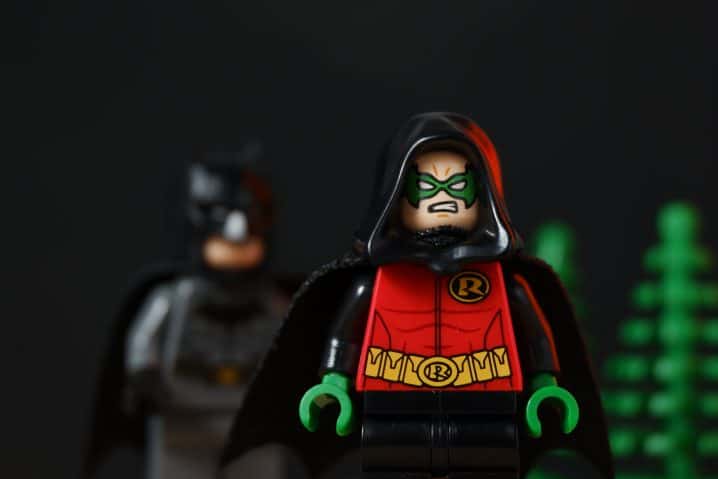
A sidekick is a friend and helper of the main character or hero. They act as secondary heroes to the story, having much the same characteristics as the hero, just to a lesser extent.
Example:
- Robin from Batman
- Samwise Gamgee from Lord of the Rings
- Dr. Watson in Sherlock Holmes
43. Tomboy
Tomboys are female characters who display boyish or manly behavior. Common characteristics include wearing masculine clothes, hanging out with guys, and taking part in activities usually associated with males.
Example:
- Merida from Brave
- Mulan from Mulan
- Leslie Burke from Bridge to Terebithia
44. Town Drunk
The town drunk is a character who is more often drunk than sober. Just like the hooker with a heart of gold, they’re often surprising sources of knowledge.
Example:
- Otis Campbell from The Andy Griffith Show
- Frank Gallagher from Shameless
- Pap Finn from The Adventures of Huckleberry Finn
45. Village Idiot
Just like with the town drunk, a village idiot is a story’s resident fool. Their characterization almost solely revolves around their ignorance or stupidity.
Example:
- Joey from Friends
- Homer Simpson from The Simpsons
- Patrick Star from Spongebob Squarepants
Stock Characters vs. Archetypes
Stock characters and archetypes are terms that are often used interchangeably (along with cliches and stereotypes). But while there is significant overlap between them, there are crucial differences that you need to know.
Stock characters take a general sense of a specific kind of person and oversimplify it into a predictable character. That doesn’t mean they’re poorly made; it’s just that you’ve probably seen a lot of them in many stories that you’ve read or watched.
Many stock characters stay static throughout the story. Sometimes this is on purpose, to contrast with how much the main cast develops, but mostly it’s because they’re limited to very narrow roles.
Archetypes, on the other hand, are simple patterns on which a character is based. From this, a writer molds a unique character. So while you’re familiar with how they start, you can expect them to grow and change as the story unfolds.
Both stock characters and archetypes draw inspiration from certain types of people. The difference is that stock characters consider these types the end point, while archetypes see them as only the beginning.
Did you find this post useful? Share your comments below!
If you enjoyed this post, then you might also like:
- Naming Characters: 8 Tips for Choosing an Iconic Moniker
- 3 Types of Supporting Characters and How to Write Them Better
- How to Write Character Mannerisms to Bring Your Characters to Life
- How to Write Character Flaws: The Importance of Imperfect Characters

Cole is a blog writer and aspiring novelist. He has a degree in Communications and is an advocate of media and information literacy and responsible media practices. Aside from his interest in technology, crafts, and food, he’s also your typical science fiction and fantasy junkie, spending most of his free time reading through an ever-growing to-be-read list. It’s either that or procrastinating over actually writing his book. Wish him luck!
