by Kaelyn Barron |
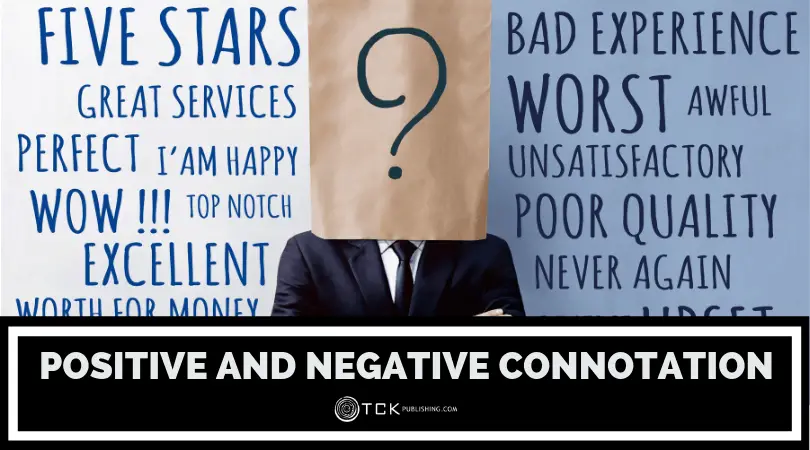
“He’s such a dog!” “This place feels like home.” “Her face was a ray of sunshine.” If each of these statements brought to mind certain feelings or ideas, it’s because each one carries a different connotation. For...

by Kaelyn Barron |
When you’re reading a 70,000-word novel, you probably don’t give much attention to every single word that’s on a page. Most likely, you focus on the bigger picture, trying to absorb the plot or the overall message. But an author’s word choice,...

by Tom Corson-Knowles
Led (pronounced /LED/ with a short e) is the past tense of the verb to lead, which is pronounced as /LEED/ with a long e. The noun lead, which refers to a chemical element, is pronounced the same way as led. Since both led (the past tense of “to lead”) and...

by Tom Corson-Knowles
Whose is the possessive form of who, while who’s is a contraction linking the words who is or who has. Whose and who’s are an example of what we call homophones—words that sound the same but have different meanings. Just like other homophones, these two words,...

by Tom Corson-Knowles
Why is “canceled” sometimes spelled with two l’s? The simple answer is that “canceled” with a single ‘l’ is the American spelling, and “cancelled” with two l’s is the British spelling. Various...

by Tom Corson-Knowles
Lay and lie are often confused, but they do have different meanings and uses. Lay means to put or set something down, while lie means to assume rest in a horizontal position. Writers, even experienced ones, commonly conflate these two verbs. This post will help you...

